

- Practical Guide To Buying Cars Locally
- Why Buying Cars Locally Can Be Useful
- Start With Your Real Needs
- Set A Realistic Budget
- Search Local Listings Carefully
- Compare Similar Cars
- Private Seller Or Dealer
- Ask Good Questions Before Viewing
- Inspect The Car In Daylight
- Check The Engine Area
- Check Tyres And Brakes
- Take A Careful Test Drive
- Get A Mechanic Inspection
- Check Vehicle History
- Check Safety Recalls
- Review Documents Carefully
- Be Careful With Outstanding Finance
- Understand Warranty And As-Is Sales
- Negotiate Calmly
- Use Safe Payment Methods
- Complete Ownership Transfer Properly
- Insurance Before Driving
- Plan Maintenance Early
- Understand Running Costs
- Fuel Economy Matters
- Parking And Daily Use
- Buying For Family Use
- Selling Your Car Locally Later
- Writing A Good Car Listing
- Photos For Local Car Listings
- Warning Signs To Avoid
- Common Mistakes To Avoid
- Simple Checklist Before Buying
- Conclusion
- FAQ
- What Is The Best Focus Keyword For This Article?
- Is Buying Cars Locally A Good Idea?
- What Should I Check Before Buying A Used Car?
- Should I Get A Mechanic To Inspect The Car?
- What Questions Should I Ask The Seller?
- Is A Test Drive Important?
- What Documents Do I Need When Buying A Car?
- How Can I Avoid Car Buying Scams?
- What Costs Come After Buying A Car?
- What Makes A Good Local Car Listing?
Practical Guide To Buying Cars Locally
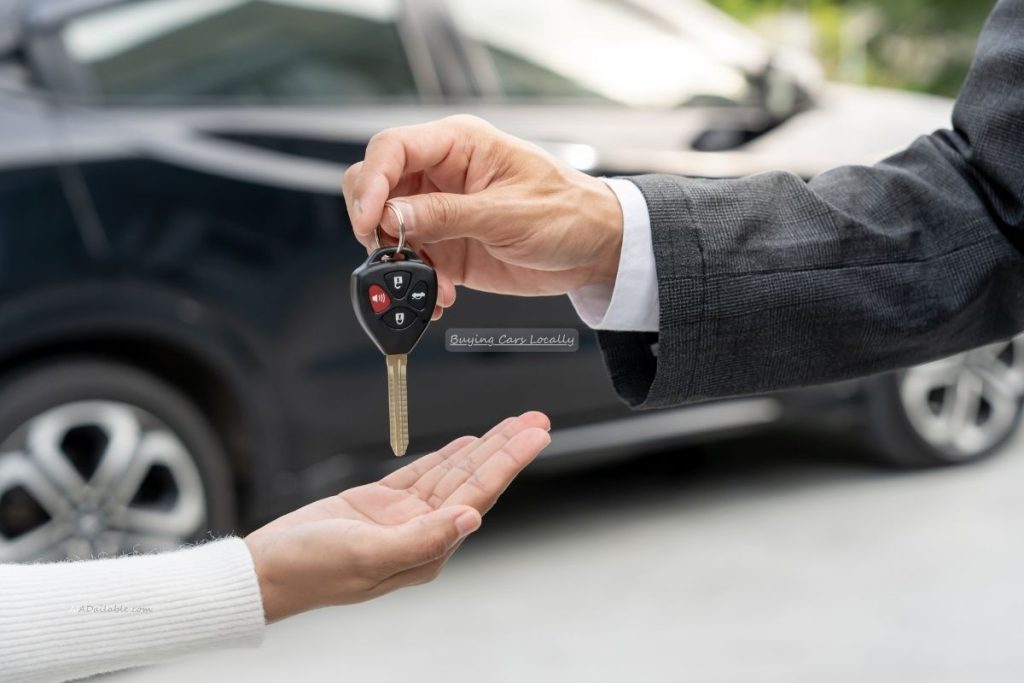
Buying Cars Locally can be a smart way to find a vehicle that fits your budget, lifestyle, family needs, and daily transport routine. Local car listings can help buyers compare nearby options, meet sellers, inspect cars in person, and avoid unnecessary travel.
But buying a car is a big decision. A good-looking listing does not always mean the car is reliable, fairly priced, or suitable for your needs. Buyers should take time to compare prices, check documents, inspect the car, ask questions, and understand the real cost of ownership.

For adailable.com readers, this guide explains practical steps for Buying Cars Locally, including how to read listings, compare sellers, inspect a car, plan a test drive, check documents, avoid common mistakes, and use the car responsibly after purchase.
👉 “Readers learning about buying cars locally may also find this guide to Cost Of Living And Jobs useful for wider budgeting and everyday financial planning.”
Why Buying Cars Locally Can Be Useful
Buying Cars Locally is useful because it gives buyers a chance to see the car in person before making a decision. Unlike buying from a distant seller, a local purchase may make it easier to arrange inspections, compare nearby cars, and complete paperwork.
Local buying may help with:
- Viewing the car before purchase
- Meeting the seller
- Checking the condition in daylight
- Taking a test drive
- Comparing nearby listings
- Reducing travel costs
- Finding local service history
- Using a nearby mechanic for inspection
- Understanding local price ranges
- Completing documents more easily
A local car can be convenient, but buyers should still be careful. A nearby seller is not automatically trustworthy, and a low price is not always a good deal.
Start With Your Real Needs
Before looking at listings, think about what you actually need from a car. This helps you avoid emotional decisions and unnecessary spending.
Ask yourself:
- Will I use the car daily?
- Is it for family use?
- Do I need city driving or long-distance driving?
- How many passengers do I usually carry?
- Do I need space for children, luggage, pets, or work tools?
- Is fuel economy important?
- Do I need automatic or manual transmission?
- Where will I park it?
- How much can I spend on maintenance?
- Do I need a small car, sedan, SUV, pickup, or van?
Buying Cars Locally becomes easier when you know your priorities before contacting sellers.
Set A Realistic Budget
The car price is only one part of the cost. A cheap car can become expensive if it needs repairs, insurance, tyres, registration, or regular maintenance.
Your budget should include:
- Purchase price
- Insurance
- Registration or transfer costs
- Taxes or local fees
- Fuel
- Parking
- Routine maintenance
- Tyres
- Battery
- Oil changes
- Repairs
- Cleaning
- Emergency fund
If a car uses more fuel or needs expensive parts, the long-term cost may be higher than expected.
A practical local car budget should include both buying and using the vehicle.
Search Local Listings Carefully
Local classified listings can be helpful, but buyers should read them carefully. A good listing should give enough information to help you decide whether the car is worth viewing.

A useful listing may include:
- Make and model
- Year
- Mileage
- Price
- Location
- Clear photos
- Engine type
- Transmission
- Ownership status
- Service history
- Accident history if known
- Reason for selling
- Registration details
- Contact method
- Seller type
- Any known problems
Be careful with listings that have very little information, unclear photos, unrealistic prices, or pressure to decide quickly.
Buying Cars Locally should begin with careful reading, not rushing.
Compare Similar Cars
Do not look at only one listing. Compare several similar cars before making contact.
Compare:
- Year
- Mileage
- Condition
- Service records
- Number of owners
- Accident history
- Price
- Seller reputation
- Location
- Features
- Insurance cost
- Fuel economy
- Maintenance cost
- Resale value
If one car is much cheaper than similar listings, ask why. It may be a genuine bargain, but it may also have hidden problems.
Good comparison helps you understand the fair local price range.
Private Seller Or Dealer
When Buying Cars Locally, you may find cars from private sellers and dealers. Each option has advantages and risks.
Private sellers may offer:
- Lower prices
- Direct owner information
- More room for negotiation
- Personal service history
- Local convenience
But private sales may also involve:
- Less protection
- Fewer warranty options
- More paperwork responsibility
- More inspection risk
- Limited return options
Dealers may offer:
- More cars to compare
- Possible warranty
- Financing options
- Trade-in options
- More formal documents
- Easier paperwork
But dealer cars may cost more, and buyers still need to check details carefully.
The best option depends on your budget, confidence, local laws, and risk tolerance.
Ask Good Questions Before Viewing
Before visiting a car, ask the seller clear questions. This saves time and helps you decide whether the listing is worth inspecting.
Useful questions include:
- Is the car still available?
- Are you the owner?
- How long have you owned it?
- Why are you selling?
- Has the car been in any accident?
- Are there any known problems?
- Is the mileage accurate?
- Are service records available?
- Are registration documents ready?
- Is there any loan or finance still attached?
- Can I inspect the car in daylight?
- Can I take a test drive?
- Can a mechanic inspect it?
- Is the price negotiable?
A serious seller should answer calmly. If the seller avoids basic questions, be cautious.
Inspect The Car In Daylight
Always inspect a car in good light. Daylight makes it easier to notice dents, paint differences, rust, worn tyres, scratches, leaks, and interior condition.
Check the outside:
- Paint condition
- Panel gaps
- Scratches
- Rust
- Dents
- Tyres
- Wheels
- Lights
- Windows
- Mirrors
- Doors
- Boot or trunk
- Signs of accident repair
Check the inside:
- Seats
- Dashboard
- Seat belts
- Air-conditioning
- Windows
- Locks
- Infotainment system
- Warning lights
- Smell
- Floor mats
- Water stains
- Steering wheel
- Pedals
- Boot space
Buying Cars Locally gives you the chance to inspect carefully, so use that opportunity.
Check The Engine Area
You do not need to be a mechanic to notice basic warning signs.
Look for:
- Oil leaks
- Coolant leaks
- Broken hoses
- Loose wires
- Corrosion
- Burnt smell
- Strange noises
- Dirty or low fluids
- Signs of poor maintenance
- Battery condition
Start the engine and listen. The engine should not make loud knocking, rough shaking, or strange grinding sounds.
If anything feels uncertain, ask a qualified mechanic before buying.
Check Tyres And Brakes
Tyres and brakes are important for safety and cost. Worn tyres can be expensive to replace, and brake problems can be dangerous.
Check:
- Tyre tread
- Uneven tyre wear
- Cracks in rubber
- Tyre age if visible
- Spare tyre
- Brake feel
- Brake noise
- Warning lights
- Handbrake or parking brake
- Brake fluid level if visible
Uneven tyre wear may suggest alignment, suspension, or accident issues.
A car that needs tyres or brakes soon may still be worth buying, but the price should reflect that cost.
Take A Careful Test Drive
A test drive is one of the most important steps when Buying Cars Locally. It helps you feel how the car behaves in real driving conditions.
During the test drive, check:
- Engine start
- Steering feel
- Brake response
- Gear changes
- Acceleration
- Air-conditioning
- Suspension noise
- Warning lights
- Dashboard functions
- Reverse gear
- Parking ease
- Visibility
- Comfort
- Unusual smells
- Strange sounds
Drive at different speeds if safe and legal. Try slow turns, braking, parking, and normal road conditions.
Do not test drive a car if documents, insurance, or permission are unclear.
Get A Mechanic Inspection
A mechanic inspection can save money and stress. Even if the car looks good, hidden problems may exist.
A mechanic may check:
- Engine
- Transmission
- Suspension
- Brakes
- Steering
- Cooling system
- Electrical system
- Leaks
- Tyres
- Air-conditioning
- Undercarriage
- Accident repair signs
- Computer diagnostics if available
If the seller refuses a reasonable inspection, that is a warning sign.
Buying Cars Locally is safer when you involve someone who understands cars.
Check Vehicle History
Vehicle history is important, especially for used cars. Depending on your country or local system, you may be able to check accident history, ownership history, mileage records, finance status, registration details, or insurance records.
Try to check:
- Ownership history
- Accident records
- Service history
- Mileage consistency
- Registration status
- Outstanding finance
- Import status if relevant
- Salvage or rebuilt history if applicable
- Flood damage signs
- Safety recalls
A clean history report is helpful, but it is not a guarantee that the car is perfect. Use it together with inspection and test drive results.
Check Safety Recalls
Safety recalls can affect important parts of a car, such as airbags, brakes, seat belts, engine parts, electrical systems, or tyres. Buyers should check whether a car has open safety recalls before purchase where recall tools are available.
You may need the VIN or vehicle identification number.
The VIN may appear on:
- Vehicle registration
- Insurance documents
- Door frame label
- Dashboard near windshield
- Service records
If a car has an open recall, ask whether it has been repaired. If not, check whether the repair is still available and who is responsible for arranging it.
Review Documents Carefully
Documents are very important when Buying Cars Locally. Never rely only on verbal promises.
Check documents such as:
- Registration document
- Ownership document
- Seller identification if appropriate
- Service records
- Inspection records
- Insurance documents
- Loan clearance if applicable
- Tax payment records if relevant
- Warranty documents if any
- Bill of sale
- Transfer forms
- Receipt
Names, vehicle details, VIN, engine number, and plate number should match across documents.
If anything does not match, stop and ask for clarification before paying.
Be Careful With Outstanding Finance
Some used cars may still have a loan or finance agreement attached. This can create serious problems for buyers if not handled properly.
Ask:
- Is there any outstanding finance?
- Is the seller the legal owner?
- Can the seller provide proof of loan clearance?
- Is the finance company involved in the transfer?
- Will the ownership transfer be clean?
Do not assume that possession of the car means full legal ownership.
This is one of the most important checks in local car buying.
Understand Warranty And As-Is Sales
Used cars may be sold with a warranty, limited warranty, or no warranty depending on seller type and local rules.
Ask clearly:
- Is there a warranty?
- What does it cover?
- How long does it last?
- Who provides the warranty?
- What is excluded?
- Is the car sold as-is?
- Can I return the car?
- Can I exchange it?
- Are repairs included?
- Is anything promised in writing?
If a seller promises repairs before purchase, get the promise in writing.
Do not rely on spoken promises for important issues.
Negotiate Calmly
Negotiation is normal in many local car sales, but it should be based on facts.
You can negotiate using:
- Market prices
- Mileage
- Tyre condition
- Needed repairs
- Service history
- Accident history
- Inspection results
- Registration costs
- Missing documents
- Comparable listings
Avoid emotional arguments. Stay polite and realistic.
A fair negotiation should leave both buyer and seller clear about the final price and conditions.
Use Safe Payment Methods
Payment safety matters. Cars involve large amounts of money, so avoid risky payment methods.
Helpful payment tips include:
- Avoid paying large deposits too early
- Get a written receipt
- Confirm seller identity
- Pay only when documents are ready
- Use traceable payment where possible
- Avoid carrying large cash amounts if unsafe
- Complete transfer steps properly
- Do not send money to unknown third parties
- Be careful with urgent pressure
- Keep proof of payment
If the seller pressures you to pay before inspection or documents, be cautious.
Complete Ownership Transfer Properly
A car is not truly yours until ownership transfer is completed according to local rules. The process varies by country and region, so check local requirements.
Usually, the process may involve:
- Signed transfer documents
- Seller and buyer identification
- Registration document
- Tax or fee payment
- Insurance update
- Vehicle inspection if required
- Finance clearance if applicable
- Official office visit or online transfer
- Receipt or confirmation
Do not delay transfer. Delayed paperwork can create legal, insurance, or responsibility problems.
Insurance Before Driving
Before using the car regularly, make sure insurance is active and suitable. Insurance rules vary by location, but driving without proper coverage can create serious financial and legal problems.
Check:
- Is insurance required?
- When does coverage start?
- What does it cover?
- Who can drive the car?
- Is damage to other vehicles covered?
- Is theft covered?
- Is flood damage covered?
- Is roadside help included?
- What is the deductible?
- What documents are needed?
Insurance is part of the real cost of car ownership.
Plan Maintenance Early
After buying a car, plan basic maintenance. Even if the car seems fine, it is wise to start with a clear service plan.
Consider checking:
- Engine oil
- Oil filter
- Air filter
- Cabin filter
- Brake fluid
- Coolant
- Transmission fluid if needed
- Tyres
- Battery
- Brakes
- Wipers
- Lights
- Air-conditioning
- Belts and hoses
- Wheel alignment
Ask a mechanic what should be done immediately and what can wait.
Buying Cars Locally should not end at purchase. Using the car well is part of the decision.
Understand Running Costs
Every car has ongoing costs. Some cars are cheap to buy but expensive to keep.
Running costs may include:
- Fuel
- Insurance
- Maintenance
- Repairs
- Tyres
- Parking
- Cleaning
- Road tax or local fees
- Loan payments
- Tolls
- Battery
- Air-conditioning service
- Emergency repairs
Before buying, ask owners, mechanics, or local groups about common repair costs for that model.
A car that fits your budget today should also fit your monthly budget later.
Fuel Economy Matters
Fuel costs can become a major expense. A larger engine, heavier car, older model, or poorly maintained vehicle may use more fuel.
Think about:
- City driving
- Highway driving
- Traffic
- Air-conditioning use
- Fuel type
- Maintenance condition
- Tyre pressure
- Driving habits
If you drive every day, fuel economy can matter as much as purchase price.
A slightly more expensive car with better fuel economy may cost less over time.
Parking And Daily Use
Before buying, think about where the car will be used and parked.
Ask yourself:
- Do I have safe parking?
- Is parking expensive?
- Is the car too large for my area?
- Can I park easily at work?
- Are roads narrow?
- Is traffic heavy?
- Will family members drive it?
- Is it easy to clean?
- Is it suitable for school runs or work?
- Can it handle local weather?
A car should fit daily life, not only look good in a listing.
Buying For Family Use
Families should think about safety, space, comfort, and convenience.
Check:
- Seat belts
- Child seat compatibility
- Rear seat space
- Boot space
- Door opening size
- Air-conditioning
- Safety features
- Easy cleaning
- Visibility
- Ride comfort
- Storage space
- Reliability
- Fuel costs
A family car should be easy to live with. Small details matter when children, bags, groceries, school items, or strollers are involved.
Selling Your Car Locally Later
A good buying decision also considers resale. Some cars are easier to sell locally than others.
Resale may depend on:
- Brand reputation
- Model popularity
- Mileage
- Service history
- Accident history
- Fuel economy
- Parts availability
- Condition
- Colour
- Local demand
- Documentation
- Maintenance records
Keep service receipts and repair records. They can help build trust when selling the car later.
Writing A Good Car Listing
For sellers on a classified site, a clear listing helps attract serious buyers.
A good car listing should include:
- Accurate title
- Make and model
- Year
- Mileage
- Price
- Location
- Transmission
- Fuel type
- Service history
- Ownership details
- Known issues
- Clear photos
- Reason for selling
- Contact method
- Viewing availability
Honest listings save time. Hiding problems may lead to disputes later.
Adailable.com can work better when buyers and sellers both share clear information.
Photos For Local Car Listings
Photos are very important in local car listings.
Include photos of:
- Front
- Back
- Left side
- Right side
- Interior
- Dashboard
- Seats
- Boot or trunk
- Engine area
- Tyres
- Odometer
- Service records if appropriate
- Any damage
Take photos in daylight and avoid heavy filters. Buyers trust clear, honest photos more than overly edited images.
Warning Signs To Avoid
Be careful if you notice warning signs such as:
- Price far below market value
- Seller refuses inspection
- Seller avoids test drive
- Missing documents
- Mismatched names
- Pressure to pay quickly
- No clear ownership proof
- Unusual payment request
- Poor or hidden photos
- Mileage that seems suspicious
- Strong smell inside the car
- Signs of flood damage
- Warning lights on dashboard
- Seller gives changing stories
- No receipt or written agreement
If something feels wrong, walk away.
Common Mistakes To Avoid
Common mistakes when Buying Cars Locally include:
- Buying too quickly
- Skipping inspection
- Not taking a test drive
- Ignoring documents
- Forgetting insurance
- Not checking running costs
- Trusting photos only
- Paying before paperwork is ready
- Ignoring warning lights
- Not checking ownership
- Overlooking tyres and brakes
- Forgetting transfer fees
- Not comparing prices
- Choosing style over practicality
A careful buyer avoids rushing.
Simple Checklist Before Buying
Use this checklist before buying:
- I compared similar local listings
- I checked the seller’s answers
- I inspected the car in daylight
- I took a test drive
- I checked documents
- I checked service history
- I asked about accidents
- I asked about finance
- I checked tyres and brakes
- I considered a mechanic inspection
- I checked insurance costs
- I planned ownership transfer
- I understand running costs
- I got promises in writing
- I am not being pressured
This checklist makes Buying Cars Locally safer and more organised.
👉 “Readers learning about buying cars locally may also find this simple guide to Automotive And Transport Services helpful for wider vehicle and travel planning.”
Conclusion
Buying Cars Locally can be a practical way to find a vehicle that suits your daily life, budget, and transport needs. Local listings make it easier to compare cars, meet sellers, inspect vehicles, test drive, and complete paperwork.
The key is to stay careful. Do not rely only on photos, low prices, or friendly promises. Check the vehicle history, inspect the car in daylight, ask clear questions, take a proper test drive, review documents, consider a mechanic inspection, and understand the full cost of ownership.
For adailable.com readers, local car buying works best when buyers and sellers communicate honestly. Clear listings, accurate details, fair prices, good photos, and proper documents help everyone.
With the right preparation, Buying Cars Locally can be safer, smoother, and more successful.
FAQ
What Is The Best Focus Keyword For This Article?
The recommended focus keyword is Buying Cars Locally because it is clear, natural, and fits classified listing search intent.
Is Buying Cars Locally A Good Idea?
Yes, Buying Cars Locally can be useful because you can inspect the car in person, compare nearby listings, meet the seller, and arrange a local test drive.
What Should I Check Before Buying A Used Car?
Check the car’s condition, service history, ownership documents, mileage, tyres, brakes, accident history, outstanding finance, insurance cost, and transfer requirements.
Should I Get A Mechanic To Inspect The Car?
Yes, a mechanic inspection is strongly recommended, especially for used cars or when you are unsure about the condition.
What Questions Should I Ask The Seller?
Ask why they are selling, how long they owned the car, whether it has accident history, whether service records are available, and whether any finance is still attached.
Is A Test Drive Important?
Yes. A test drive helps you check steering, brakes, acceleration, gear changes, air-conditioning, warning lights, noise, and comfort.
What Documents Do I Need When Buying A Car?
Documents vary by location, but they may include registration papers, ownership documents, seller identification, service records, insurance details, transfer forms, and a receipt.
How Can I Avoid Car Buying Scams?
Avoid rushed deals, unclear documents, pressure to pay quickly, mismatched names, very low prices, sellers who refuse inspection, and unusual payment requests.
What Costs Come After Buying A Car?
Common costs include insurance, fuel, maintenance, repairs, tyres, parking, registration, taxes, tolls, cleaning, and emergency repairs.
What Makes A Good Local Car Listing?
A good listing includes clear photos, accurate details, price, location, mileage, year, service history, known issues, seller contact details, and honest information.