

- Introduction: Best Transport Tips For Everyday Travel
- Understanding Your Everyday Transport Options
- Compare Cost, Convenience, And Reliability
- Best Transport Tips For Everyday Travel
- Choosing Between Public Transport And Private Cars
- Smart Choices For Local Transport Services
- Basic Vehicle Maintenance For Everyday Travel
- How To Choose A Reliable Mechanic Or Car Service
- Think About Your Lifestyle And Budget
- Safety Tips For Everyday Transport
- How To Make Everyday Travel Less Stressful
- Eco-Friendly Transport Choices
- Conclusion
- FAQ
- What is the best transport option for everyday travel?
- How can I save money on daily transport?
- Is owning a car always better than using public transport?
- How often should I check my car for everyday use?
- How do I choose a reliable local transport service?
- Can I use my phone for navigation while driving?
- How can I make daily travel less stressful?
Introduction: Best Transport Tips For Everyday Travel
Choosing the right transport for everyday travel can make daily life easier, safer, and less stressful. Whether you are commuting to work, going to school, visiting local shops, meeting friends, or running family errands, good transport planning helps you save time, control costs, and avoid unnecessary problems.
Everyday transport is not only about owning a car. Depending on where you live, your options may include public transport, taxis, ride-hailing apps, walking, cycling, car sharing, private car services, or a mix of several choices. The best option depends on your budget, location, schedule, lifestyle, and personal needs.

This guide explains simple and practical transport tips for everyday travel. It also covers local transport choices, basic car care, service providers, safety, and how to make smarter decisions before each journey.
👉 “Long-stay visitors may also want to understand Thailand Retirement Visa – Requirements & Benefits.”
Understanding Your Everyday Transport Options
Before choosing how to travel, it is useful to understand the main transport options available in your local area. Some people rely on public transport every day, while others need a private vehicle because of work, family, distance, or limited local services.
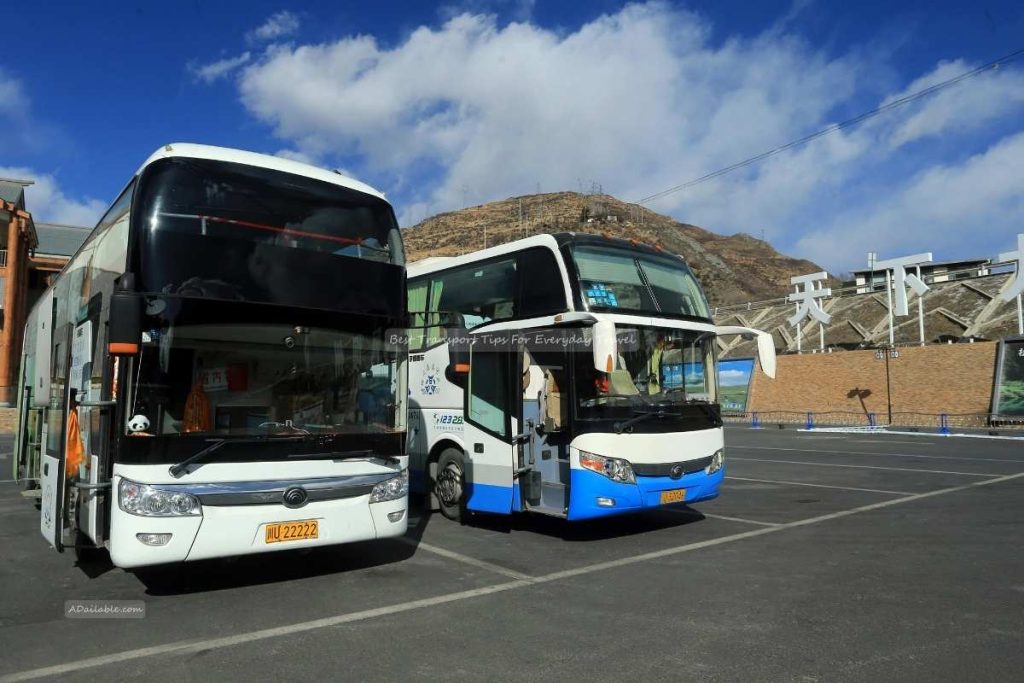
Common everyday transport options include:
- Public buses
- Trains or metro systems
- Taxis
- Ride-hailing apps
- Car sharing services
- Private cars
- Motorbikes or scooters where suitable and legal
- Bicycles
- Walking for short local trips
Each option has advantages and disadvantages. Public transport may be cheaper, but it may not always be flexible. A private car gives more freedom, but it also comes with fuel, parking, insurance, and maintenance costs. Ride-hailing services can be convenient, but the price may increase during busy hours.
The best choice is usually the one that fits your real daily needs, not only the one that looks easiest at first.
Compare Cost, Convenience, And Reliability
When choosing a transport option, compare three main things: cost, convenience, and reliability.
Cost includes more than the ticket price or fuel cost. If you own a car, you also need to think about insurance, parking, repairs, maintenance, cleaning, and possible loan payments. If you use taxis or ride-hailing apps often, small daily costs can add up quickly.
Convenience means how easy the option is for your daily routine. A bus may be cheap, but if it requires long waiting times or several transfers, it may not be practical. A car may be comfortable, but if parking is difficult, it can create stress.
Reliability is also important. A transport option is useful only if you can depend on it. Check whether buses run on time, whether taxis are easy to find, whether ride-hailing apps work well in your area, and whether your vehicle is safe enough for regular use.
Best Transport Tips For Everyday Travel
Here are some simple tips to make everyday travel easier:
- Plan your route before leaving home.
- Check traffic, weather, and travel time in advance.
- Keep some extra time for delays.
- Compare public transport, driving, walking, and ride-hailing options.
- Use the same route regularly only if it is still the best option.
- Keep emergency contact numbers saved on your phone.
- Avoid using your phone while driving.
- Carry water, especially during long trips or hot weather.
Small habits can make a big difference. Planning ahead often helps you avoid traffic, save money, and feel more relaxed during the journey.
Choosing Between Public Transport And Private Cars
Public transport is often a good choice for people who live in busy areas with reliable buses, trains, or metro systems. It can reduce fuel costs, parking problems, and stress from traffic. It can also be better for the environment than driving alone every day.
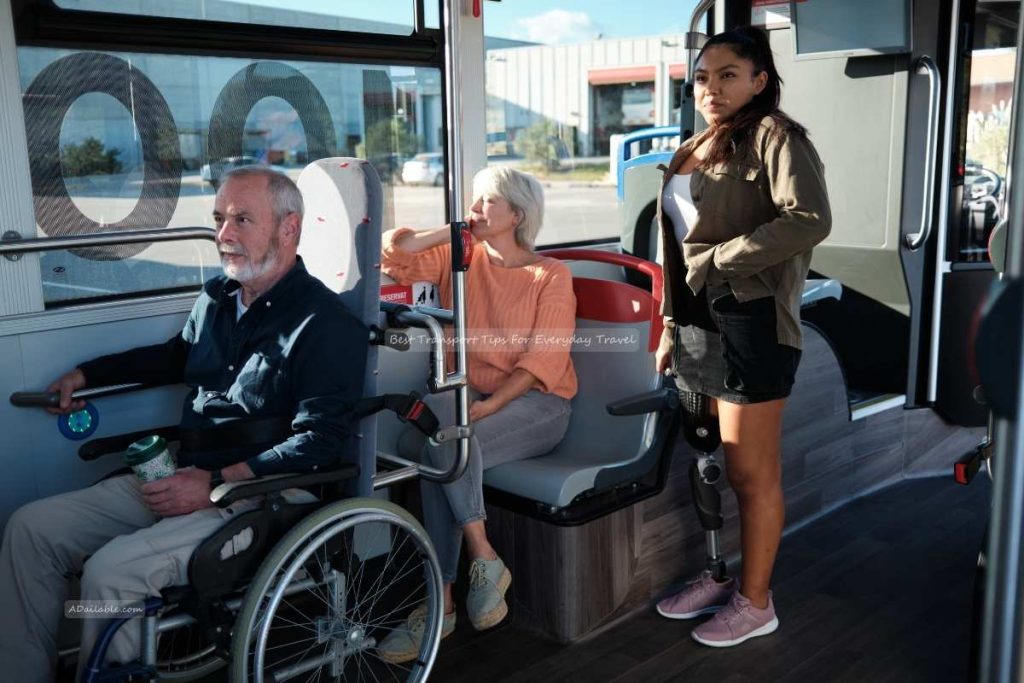
A private car may be more practical if you live far from public transport, travel with children, carry heavy items, work unusual hours, or need more flexibility. However, car ownership can be expensive, so it is important to calculate the full cost before depending on a car for everyday travel.
If you are not sure which option is better, try comparing your weekly travel needs. Think about how often you travel, how far you go, how much time each option takes, and how much each option costs.
Smart Choices For Local Transport Services
Local transport services can be very useful, especially when you do not want to drive or when public transport is limited. These services may include taxis, ride-hailing apps, private drivers, shuttle services, car rental companies, or local transport providers.
Before choosing a local transport service, check:
- Price and possible extra fees
- Customer reviews
- Driver or company reliability
- Safety standards
- Vehicle condition
- Availability during busy times
- Payment options
If you use the same service often, save the contact details of trusted providers. A reliable local service can be helpful for airport trips, medical appointments, school transport, work travel, or family errands.
Basic Vehicle Maintenance For Everyday Travel
If you use a car for everyday travel, regular maintenance is very important. A well-maintained vehicle is safer, more reliable, and often cheaper in the long run.
Basic vehicle maintenance includes:
- Checking oil levels
- Checking tire pressure
- Inspecting brakes
- Checking lights and signals
- Keeping the windshield clean
- Following the service schedule
- Replacing worn tires when needed
- Keeping emergency tools in the car
Do not wait until something breaks before visiting a mechanic. Regular checks can prevent bigger problems and reduce the risk of breakdowns during daily travel.
How To Choose A Reliable Mechanic Or Car Service
Choosing a good mechanic or local car service can save time, money, and stress. Look for service providers with clear pricing, good reviews, honest communication, and experience with your type of vehicle.
Before agreeing to repairs, ask what the problem is, what parts are needed, how much it will cost, and how long the work will take. If the repair is expensive, it can be useful to compare prices from more than one service provider.
A good mechanic should explain the issue in simple language and should not pressure you into unnecessary repairs. Keeping records of maintenance and repairs can also help you understand your vehicle’s condition over time.
Think About Your Lifestyle And Budget
Your lifestyle should guide your transport choices. A student, office worker, parent, freelancer, or small business owner may all need different transport solutions.
Ask yourself:
- How often do I travel each week?
- Do I usually travel alone or with family?
- Do I need to carry bags, tools, or equipment?
- Is parking easy where I live and work?
- Is public transport reliable in my area?
- How much can I spend on transport each month?
When you understand your real needs, it becomes easier to choose between public transport, private car use, ride-hailing, cycling, walking, or a combination of different options.
Safety Tips For Everyday Transport
Safety should always come first, no matter how you travel.
- Wear a seatbelt when traveling by car.
- Use helmets where required for bikes or motorbikes.
- Do not text or scroll while driving.
- Check that taxis or ride-hailing cars match the booking details.
- Keep personal items close in crowded transport areas.
- Use well-lit stops, stations, and parking areas when possible.
- Tell someone your route if traveling late or to an unfamiliar area.
Good transport planning is not only about speed and price. It is also about arriving safely and comfortably.
How To Make Everyday Travel Less Stressful
Everyday travel can become stressful when people rush, face traffic, or deal with unreliable services. A few simple habits can help make travel calmer.
- Leave earlier during busy hours.
- Prepare bags, keys, tickets, or documents before leaving.
- Save backup routes on your phone.
- Keep your vehicle clean and ready.
- Use waiting time productively or calmly.
- Choose safer and more reliable routes, even if they are not always the fastest.
If you travel every day, comfort matters too. Keep water, tissues, a phone charger, and any important personal items ready, especially for longer journeys.
Eco-Friendly Transport Choices
If you want to reduce your environmental impact, consider more sustainable transport choices when possible.
Eco-friendly options may include:
- Walking for short distances
- Cycling where safe
- Using public transport
- Carpooling
- Choosing fuel-efficient vehicles
- Combining errands into one trip
- Keeping your car well-maintained to reduce waste and fuel use
You do not need to change everything at once. Even small changes, such as walking short distances or using public transport once or twice a week, can help over time.
👉 “For more everyday support, it is also useful to understand the Local Community Services.”
Conclusion
By understanding best transport tips for everyday travel, readers can make better choices and apply the ideas in a simple, practical way.
By following the best transport tips for everyday travel, you can make informed decisions about your transportation needs and enjoy a stress-free journey. Remember to research local services, plan ahead, check vehicle maintenance, and prepare for unexpected weather conditions. With these practical tips, you’ll be able to navigate your daily commute with confidence and ease.
Readers learning about best transport tips for everyday travel often want clear examples, simple explanations, practical benefits, and safe ways to apply the information.
FAQ
What is the best transport option for everyday travel?
The best option depends on your location, budget, schedule, and lifestyle. Public transport may be best in busy cities, while a private car may be better for families, long distances, or areas with limited services.
How can I save money on daily transport?
You can save money by planning routes, using public transport, carpooling, walking short distances, comparing ride-hailing costs, and maintaining your vehicle properly.
Is owning a car always better than using public transport?
No. A car gives flexibility, but it also costs money for fuel, insurance, parking, repairs, and maintenance. Public transport may be cheaper and easier in some areas.
How often should I check my car for everyday use?
Basic checks such as tire pressure, oil level, lights, and brakes should be done regularly. Follow your vehicle’s service schedule and visit a mechanic if you notice unusual sounds, warning lights, or performance problems.
How do I choose a reliable local transport service?
Check reviews, prices, safety standards, vehicle condition, payment options, and reliability. If you find a good service provider, save their contact details for future trips.
Everyday transport becomes easier when you understand your options and make choices based on your real needs. Public transport, private cars, local services, walking, cycling, and ride-hailing can all be useful depending on your lifestyle, budget, and location.
The best transport tips for everyday travel are simple: plan your route, compare costs, choose reliable services, maintain your vehicle, and always put safety first. If you use a car, regular maintenance can help prevent breakdowns and expensive repairs. If you use public or local transport, checking schedules, prices, and service quality can make your journey smoother.
With smart planning and practical habits, everyday travel can become less stressful, more affordable, and more comfortable. Whether you drive, walk, ride, or use local services, the right transport choices can make daily life easier.
Can I use my phone for navigation while driving?
Use navigation safely. Set your route before driving and use hands-free voice guidance if needed. Do not hold or operate your phone while driving.
How can I make daily travel less stressful?
Plan ahead, leave earlier, prepare your route, keep backup options ready, and avoid last-minute decisions. A little preparation can make everyday travel much easier.