

- Introduction
- What Community Support Means
- Start With Simple Neighbourly Contact
- Create A Neighbourhood Contact Group
- Check On People Who Live Alone
- Help New Residents Feel Welcome
- Share Skills Within The Community
- Organise A Community Noticeboard
- Support Local Food Assistance
- Create A Community Food-Sharing Shelf
- Help Families With Everyday Tasks
- Exchange Children’s Clothes And Toys
- Support Older Adults
- Create Social Activities For Older Residents
- Support Young People
- Create A Homework Support Group
- Organise Local Clean-Up Activities
- Start A Community Garden
- Share Tools And Equipment
- Offer Transport Support
- Support People Looking For Work
- Help People Access Digital Services
- Organise Donation Drives Carefully
- Support Local Charities And Organisations
- Volunteer According To Your Skills
- Create Inclusive Community Events
- Support Community Safety
- Prepare For Local Emergencies
- Create A Local Resource Directory
- Support Mental Wellbeing Without Acting As A Therapist
- Respect Privacy And Consent
- Avoid Creating Dependency
- Use Local Classified Listings Responsibly
- Common Community Support Mistakes
- How To Start A Small Community Project
- Conclusion
- FAQ
- What Are Community Support Ideas?
- How Can I Help My Community Without Spending Money?
- What Is The Easiest Community Project To Start?
- How Can Communities Support Older Adults?
- How Can Families Benefit From Community Support?
- Are Online Neighbourhood Groups Safe?
- What Items Are Suitable For Donation?
- How Can I Find Volunteer Opportunities?
- How Can A Community Prepare For Emergencies?
- What Is The Most Important Rule When Helping Someone?
Introduction
Strong communities are often built through small, practical actions rather than large projects. Checking on a neighbour, sharing useful information, offering a lift, donating unwanted items, or helping at a local event can make everyday life easier for other people.
The best community support ideas are simple, respectful, and based on real local needs. They do not require everyone to have a large amount of money or free time. People can contribute through skills, knowledge, equipment, transport, communication, or occasional help.
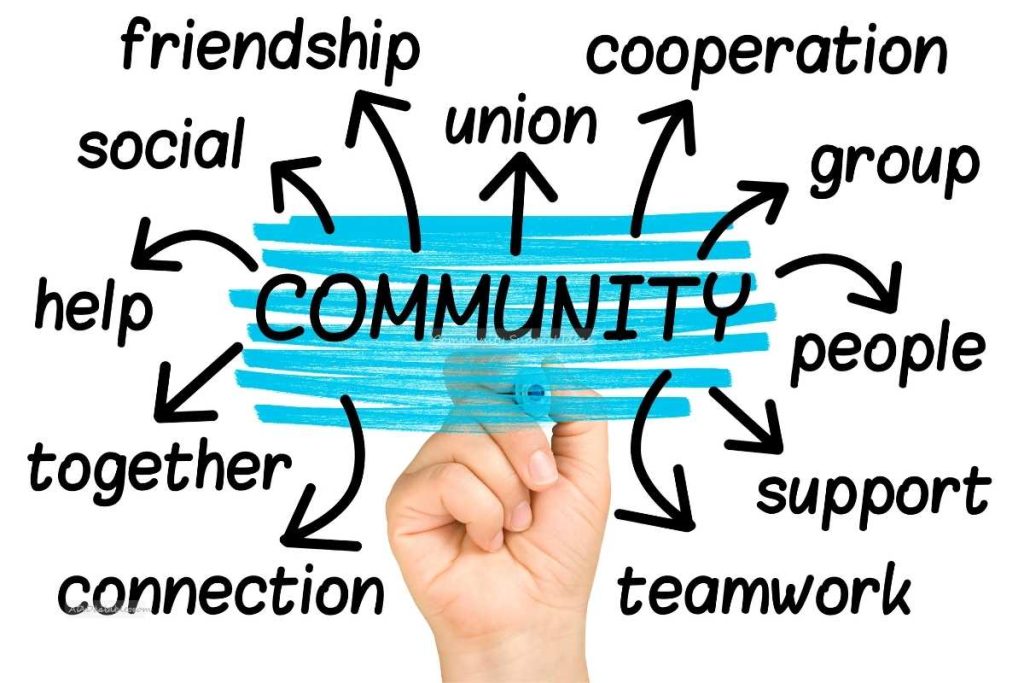
Community support can benefit families, older adults, young people, people living alone, new residents, and anyone facing a temporary difficulty. It can also reduce isolation and help neighbours feel more comfortable asking for help when necessary.
This guide shares practical community support ideas for daily life. It covers neighbourly help, volunteering, food support, local communication, family activities, skill sharing, donations, safety, transport, emergency preparation, and responsible organisation.
👉 “Readers interested in how communication shapes local communities may also explore public views on modern media trends for additional social and cultural perspectives.”
What Community Support Means
Community support includes the everyday actions, services, groups, and relationships that help people live more safely and comfortably.
It may involve:
- Helping a neighbour
- Sharing information
- Volunteering
- Donating useful items
- Organising local events
- Supporting families
- Checking on older residents
- Helping new arrivals
- Sharing skills
- Improving local safety
- Supporting community organisations
- Preparing for emergencies
Effective community support ideas should be based on cooperation rather than control. The aim is to offer practical help while respecting each person’s privacy, choices, and independence.
Not everyone wants the same type of support. Asking what someone needs is usually better than making assumptions.
Start With Simple Neighbourly Contact
One of the easiest ways to strengthen a community is to know the people living nearby.
This does not mean everyone must become close friends. A simple greeting and basic contact can make future communication easier.
Neighbourly community support ideas include:
- Introducing yourself
- Learning neighbours’ names
- Sharing contact details when appropriate
- Greeting new residents
- Offering help with a small task
- Informing neighbours about local changes
- Checking in during difficult weather
- Collecting a parcel with permission
A brief conversation can help people feel less isolated. It can also make it easier to communicate about noise, parking, security, shared spaces, or emergencies before problems become serious.
Respect boundaries and avoid pressuring people to socialise.
Create A Neighbourhood Contact Group
A small messaging group can help neighbours share useful information quickly.

The group may be used for:
- Lost pets
- Missing deliveries
- Local road closures
- Water or electricity problems
- Community events
- Security concerns
- Items being given away
- Requests for temporary help
- Emergency updates
Digital groups are useful community support ideas, but they need clear rules.
Good rules may include:
- Keep messages relevant
- Do not share private information
- Avoid rumours
- Do not post photographs without permission
- Keep advertising limited
- Treat members respectfully
- Verify urgent information
- Avoid political arguments unless the group was created for them
A neighbourhood group should not become a place for public accusations or constant complaints.
Check On People Who Live Alone
People living alone may appreciate occasional contact, especially during illness, extreme weather, power failures, or local emergencies.
Support might include:
- Sending a message
- Making a short telephone call
- Checking whether food is needed
- Collecting medicine with permission
- Helping contact a family member
- Sharing emergency information
- Offering transport to an appointment
These community support ideas can be particularly helpful for older adults, people with disabilities, new residents, and those recovering from illness.
Do not enter someone’s home or manage their personal affairs without clear consent. Serious health or safety concerns should be directed to suitable family members, services, or emergency professionals.
Help New Residents Feel Welcome
Moving to a new area can feel confusing. New residents may not know where to find local services, transport, schools, shops, healthcare, recycling points, or community activities.
A simple welcome message could include:
- Nearby grocery stores
- Public transport information
- Waste collection days
- Local clinics
- Emergency numbers
- Children’s activities
- Community groups
- Reliable local services
- Parks and public spaces
Welcoming new residents is one of the most practical community support ideas because it helps people settle in and reduces the stress of finding basic information.
Avoid overwhelming them with too much advice. Offer useful information and allow them to decide what they need.
Share Skills Within The Community
Many people have useful skills they could share occasionally.
Examples include:
- Basic computer help
- Language practice
- Bicycle repair
- Cooking
- Sewing
- Gardening
- Homework support
- Form filling
- Budget planning
- Furniture repair
- Photography
- First-aid awareness
Skill sharing can turn ordinary knowledge into valuable community support ideas.
A retired teacher might help children with reading. A younger neighbour might help someone use a smartphone. A keen gardener might explain how to grow herbs.
Be clear about whether help is free, exchanged, or paid. Some tasks require licences, insurance, or professional qualifications and should not be treated as informal volunteer work.
Organise A Community Noticeboard
A physical or digital noticeboard can help residents find useful local information.
It may include:
- Local events
- Volunteer opportunities
- Items for sale or donation
- Classes
- Lost and found notices
- Childcare information
- Sports activities
- Public-service announcements
- Community meetings
- Local business listings
Noticeboards are simple community support ideas for apartment buildings, schools, libraries, community centres, cafés, and neighbourhood websites.
Posts should include a date and contact method. Old notices should be removed regularly so the board remains useful.
Personal telephone numbers and addresses should only be shared with permission.
Support Local Food Assistance
Food support can help families and individuals during temporary financial difficulty, illness, job loss, or emergencies.
Possible community support ideas include:
- Donating to a food bank
- Supporting a community refrigerator
- Organising a pantry collection
- Sharing unopened surplus food
- Preparing meals for someone recovering from illness
- Collecting baby food or household basics
- Supporting school meal programmes
- Donating supermarket vouchers
Food assistance should protect dignity. People should not be required to explain their personal situation publicly.
Check what local organisations actually need before donating. Large amounts of unsuitable, expired, damaged, or difficult-to-store food can create extra work.
Create A Community Food-Sharing Shelf
A food-sharing shelf or community pantry can help residents exchange suitable packaged items.
Useful rules include:
- Only unopened products
- Clear expiry dates
- No spoiled food
- No unsafe homemade products unless permitted
- Clean shelves regularly
- Remove damaged packaging
- Display allergy information when available
- Follow local food-safety rules
Food-sharing shelves can become helpful community support ideas, but they need responsible management.
Local laws, building rules, hygiene standards, and climate should be considered. Perishable foods require proper refrigeration and monitoring.
Help Families With Everyday Tasks
Families may occasionally need support with practical tasks, especially after a birth, illness, relocation, or unexpected problem.
Helpful actions may include:
- Delivering a meal
- Collecting groceries
- Sharing information about local activities
- Passing on children’s clothing
- Helping assemble furniture
- Offering school-run help when appropriate
- Lending baby equipment
- Watching a child briefly by prior agreement
Family-focused community support ideas should always prioritise safety, consent, and clear expectations.
Informal childcare should only be offered by trusted adults, and parents should remain responsible for deciding who is suitable. Never assume that a family wants help simply because they appear busy.
Exchange Children’s Clothes And Toys
Children often outgrow clothes, books, toys, and equipment before the items wear out.
A community exchange can help families save money and reduce waste.
Items may include:
- Clothing
- Shoes
- Books
- Puzzles
- Toys
- Sports equipment
- Maternity clothing
- Baby carriers
- Highchairs
- School supplies
Exchange events are practical community support ideas when items are clean, safe, and in usable condition.
Check products carefully before sharing. Damaged car seats, broken electrical toys, recalled items, expired safety equipment, and products with missing parts should not be passed on.
Support Older Adults
Older residents may need different kinds of support depending on their health, mobility, family network, and preferences.
Possible help includes:
- Friendly visits
- Grocery collection
- Technology assistance
- Transport information
- Help reading forms
- Small household tasks
- Accompaniment to community events
- Sharing emergency contacts
These community support ideas should promote independence rather than make decisions for the person.
Ask before helping, and avoid handling money, banking, medication, or legal matters unless there is a trusted and appropriate arrangement.
Concerns about abuse, neglect, fraud, or serious health risks should be reported through suitable local services.
Create Social Activities For Older Residents
Regular social contact can reduce isolation.
Activities might include:
- Coffee mornings
- Walking groups
- Board games
- Gardening
- Music sessions
- Craft groups
- Shared meals
- Book discussions
- Gentle exercise
- Local history meetings
Social community support ideas work best when activities are accessible and affordable.
Consider transport, seating, hearing needs, toilets, lighting, and mobility. Avoid assuming that all older adults enjoy the same activities.
Support Young People
Young people benefit from safe spaces, positive activities, trusted adults, and opportunities to contribute.
Community programmes may include:
- Sports
- Homework clubs
- Art workshops
- Music groups
- Coding sessions
- Volunteer projects
- Career talks
- Reading groups
- Community gardening
- Youth councils
Youth-focused community support ideas should involve young people in planning rather than deciding everything for them.
Adults working with children and teenagers may need background checks, safeguarding procedures, parental consent, insurance, and appropriate training.
Create A Homework Support Group
A homework club can give children a quiet place to study and ask questions.
It may be organised through:
- A school
- Library
- Community centre
- Place of worship
- Apartment common area
- Registered local organisation
Good homework-support community support ideas include:
- Clear session times
- Suitable supervision
- Age-appropriate materials
- Quiet workspaces
- Basic internet access
- Reading support
- Parent communication
Volunteers should help children understand their work rather than complete assignments for them.
Safeguarding and child-protection rules must be followed.
Organise Local Clean-Up Activities
A clean-up event can improve shared spaces and help neighbours work together.
Possible locations include:
- Parks
- Beaches
- Streets
- Community gardens
- Playgrounds
- Walking paths
- Shared apartment areas
Environmental community support ideas should be organised safely.
Provide:
- Gloves
- Suitable bags
- Drinking water
- Clear collection points
- Adult supervision
- Instructions for sharp or hazardous waste
- Arrangements for waste removal
Children should not handle broken glass, needles, chemicals, or dangerous objects.
Start A Community Garden
A shared garden can provide food, learning, social contact, and greener public space.
Residents may grow:
- Herbs
- Vegetables
- Flowers
- Fruit
- Native plants
- Plants for pollinators
Community gardens are long-term community support ideas that require planning.
Important questions include:
- Who owns the land?
- Who can participate?
- How is water provided?
- Who buys supplies?
- How are tasks shared?
- What happens during holidays?
- How is produce divided?
- Are pesticides allowed?
Simple rules can prevent misunderstandings and keep the garden manageable.
Share Tools And Equipment
Many household tools are only used occasionally. A neighbourhood tool-sharing system can reduce costs and storage needs.
Items may include:
- Drills
- Ladders
- Gardening tools
- Pressure washers
- Hand tools
- Camping equipment
- Folding tables
- Moving trolleys
Tool libraries are useful community support ideas, but safety matters.
Borrowers should:
- Know how to use the item
- Check for damage
- Follow instructions
- Return it clean
- Replace missing parts
- Report problems
- Avoid lending it to another person
High-risk equipment may be unsuitable for informal lending. Insurance and liability should also be considered.
Offer Transport Support
Transport can be difficult for people without a car, people with limited mobility, or families managing several responsibilities.
Support may include:
- Sharing public transport information
- Offering a lift by prior arrangement
- Helping book suitable transport
- Accompanying someone to an appointment
- Organising a community shuttle
- Sharing taxi costs
Transport-based community support ideas require clear safety rules.
Drivers should be licensed, insured, and fit to drive. Children must use suitable restraints where required. People should never feel pressured to accept a ride.
Support People Looking For Work
Community networks can help jobseekers find information and improve their applications.
Helpful activities include:
- Sharing legitimate vacancies
- Reviewing a CV
- Practising interviews
- Offering computer access
- Sharing training opportunities
- Helping with online forms
- Providing suitable interview clothing
- Connecting people with employment services
Employment-focused community support ideas should avoid false promises.
Do not charge vulnerable jobseekers for unverified opportunities or share their personal information without permission. Job advertisements should be checked for scams, unclear wages, and suspicious requests.
Help People Access Digital Services
Many daily services now require websites, apps, email, or digital identification. This can create difficulties for people with limited digital experience.
Support may involve:
- Creating an email account
- Using video calls
- Booking appointments
- Accessing public services
- Learning basic online safety
- Using digital maps
- Setting up accessibility features
- Recognising scams
Digital-help community support ideas can reduce exclusion, but privacy must be protected.
Never ask someone to share banking passwords, security codes, or full account access. Allow the person to enter private information themselves whenever possible.
Organise Donation Drives Carefully
Donation drives can support shelters, schools, hospitals, community centres, and local charities.
Before collecting items:
- Contact the organisation
- Ask what is needed
- Confirm quality requirements
- Set a collection deadline
- Explain what cannot be accepted
- Arrange transport
- Sort items
- Share clear results
Donation drives are effective community support ideas when they meet actual needs.
Avoid collecting random items without a receiving organisation. Unwanted donations can create storage costs and waste.
Support Local Charities And Organisations
Established organisations may already have staff, volunteers, systems, and experience addressing local needs.
Support can include:
- Donating money
- Volunteering
- Attending events
- Sharing verified campaigns
- Offering professional skills
- Donating requested supplies
- Becoming a regular supporter
Before supporting an organisation:
- Check its registration
- Review its purpose
- Look for clear financial information
- Confirm how donations are used
- Avoid organisations making unrealistic claims
Working with reliable groups can make community support ideas more organised and sustainable.
Volunteer According To Your Skills
Volunteering does not always require physical labour or a weekly commitment.
People may help through:
- Administration
- Translation
- Photography
- Design
- Teaching
- Cooking
- Event support
- Transport
- Fundraising
- Technology
- Social media
- Repair work
Skill-based volunteering is one of the most efficient community support ideas because organisations receive help that may otherwise be expensive.
Be honest about availability and experience. It is better to offer two reliable hours than promise ongoing support you cannot maintain.
Create Inclusive Community Events
Community events should be designed so different people can participate.
Consider:
- Wheelchair access
- Toilets
- Seating
- Shade
- Language support
- Child-friendly spaces
- Affordable admission
- Public transport
- Dietary needs
- Clear event information
Inclusive community support ideas avoid assuming everyone has the same mobility, income, language, schedule, or family situation.
Events may include:
- Shared meals
- Cultural days
- Local markets
- Family games
- Music
- Workshops
- Sports
- Information sessions
Provide a clear contact method so participants can ask about accessibility before attending.
Support Community Safety
Community safety is broader than watching for crime. It also includes lighting, roads, fire prevention, safe play areas, and emergency information.
Safety-focused community support ideas include:
- Reporting broken streetlights
- Sharing verified warnings
- Improving building access
- Keeping exits clear
- Checking playground equipment
- Supporting road-safety campaigns
- Organising first-aid training
- Displaying emergency contacts
- Helping residents prepare for severe weather
Avoid public accusations or unofficial patrol behaviour that could create conflict or discrimination.
Immediate dangers should be reported to the appropriate authorities.
Prepare For Local Emergencies
Communities may face storms, floods, fires, power failures, extreme heat, or other emergencies.
Preparation may include:
- Emergency contact lists
- First-aid supplies
- Drinking water
- Flashlights
- Battery packs
- Evacuation information
- Support plans for vulnerable residents
- Pet arrangements
- Communication methods
- Meeting points
Emergency community support ideas should follow official guidance.
Neighbourhood planning can help identify people who may need additional support, but private medical or personal information should be protected.
Create A Local Resource Directory
A simple directory can help residents find reliable services.
It may include:
- Emergency numbers
- Clinics
- Pharmacies
- Food support
- Family services
- Mental health services
- Housing help
- Employment support
- Legal-aid services
- Disability services
- Public transport
- Local charities
Resource directories are practical community support ideas when information is accurate and regularly updated.
Include dates and official contact details. Avoid listing private individuals as service providers without permission.
Support Mental Wellbeing Without Acting As A Therapist
Community connection can support general wellbeing, but volunteers should not attempt to diagnose or treat mental health conditions unless professionally qualified.
Helpful actions may include:
- Listening without judgement
- Encouraging social contact
- Sharing professional resources
- Inviting someone to a low-pressure activity
- Helping with a practical task
- Checking in respectfully
Mental-wellbeing community support ideas should recognise personal limits.
If someone appears to be in immediate danger or unable to stay safe, contact appropriate emergency or professional services rather than trying to manage the situation alone.
Respect Privacy And Consent
Support should never become intrusive.
Before helping:
- Ask permission
- Explain what you are offering
- Respect a refusal
- Keep personal information private
- Avoid taking photographs without consent
- Do not share someone’s situation publicly
- Let people make their own choices
Privacy is essential to trustworthy community support ideas.
A person may need help but still want control over how, when, and from whom it is received.
Avoid Creating Dependency
Good support helps people solve a problem, access resources, or regain independence.
It should not create unnecessary control.
Where appropriate:
- Share information rather than taking over
- Teach a skill
- Involve the person in decisions
- Connect them with longer-term services
- Set clear boundaries
- Review whether support is still needed
Sustainable community support ideas strengthen people’s ability to manage daily life.
Some individuals will require long-term professional or family support, but that should be arranged responsibly rather than depending entirely on one informal volunteer.
Use Local Classified Listings Responsibly
Community listing websites can help people find services, exchange items, promote events, and request assistance.
Listings may include:
- Volunteer opportunities
- Donations
- Community events
- Local services
- Skill exchanges
- Items being given away
- Family activities
- Support groups
Online community support ideas require scam awareness.
Users should:
- Protect personal information
- Meet in safe places
- Verify organisations
- Avoid suspicious payment requests
- Use clear descriptions
- Report harmful listings
- Keep communication respectful
Adailable.com can help connect people, but users remain responsible for checking listings and making safe decisions.
Common Community Support Mistakes
Avoid these common mistakes:
- Assuming what people need
- Sharing private information
- Making promises you cannot keep
- Collecting unwanted donations
- Giving unverified advice
- Treating volunteers as professionals
- Ignoring safeguarding
- Lending unsafe equipment
- Creating unclear group rules
- Publicly accusing neighbours
- Taking over someone’s decisions
- Forgetting accessibility
- Failing to update information
- Using support to advertise aggressively
Responsible community support ideas require trust, communication, and realistic boundaries.
How To Start A Small Community Project
A simple project can begin with these questions:
- What local problem are we trying to address?
- Who is affected?
- Has anyone already created a solution?
- What resources are required?
- Who will be responsible?
- Are permissions needed?
- How will safety be managed?
- How will information be shared?
- How will success be measured?
- How will the project continue?
Begin small. A monthly exchange table, weekly walking group, or updated local directory may be more sustainable than an ambitious project requiring many volunteers.
The best community support ideas solve a clear problem and can be managed with the available time and resources.
👉 “Readers looking for practical local support may also explore these Useful Everyday Services For Families And Local Residents to make daily life easier.”
Conclusion
Practical community support ideas can make daily life easier without requiring large budgets or complicated organisations. Small actions such as sharing information, checking on a neighbour, donating useful items, helping with transport, or volunteering a skill can strengthen local connections.
Communities can support families, young people, older adults, jobseekers, new residents, and people facing temporary difficulties. Successful support should always protect privacy, respect consent, and respond to real needs.
Neighbourhood groups, food assistance, skill exchanges, community gardens, local events, donation drives, digital help, and emergency preparation can all contribute to a stronger community.
The most effective community support ideas are realistic and sustainable. It is better to offer limited, reliable help than make promises that cannot be maintained.
By listening, cooperating, and using local resources responsibly, neighbours and organisations can create safer, more welcoming, and better-connected places to live.
FAQ
What Are Community Support Ideas?
Community support ideas are practical ways people can help neighbours and local groups, such as volunteering, sharing information, donating items, offering transport, organising activities, or supporting food programmes.
How Can I Help My Community Without Spending Money?
You can volunteer time, share a skill, check on a neighbour, help with local information, join a clean-up, donate unused items, or assist a community organisation.
What Is The Easiest Community Project To Start?
A neighbourhood contact group, local resource list, book exchange, monthly clean-up, or small donation collection can be simple starting points.
How Can Communities Support Older Adults?
Communities can offer friendly contact, transport help, grocery collection, technology support, accessible activities, and information about local services.
How Can Families Benefit From Community Support?
Families may benefit from clothing exchanges, meal support, children’s activities, homework clubs, shared equipment, local information, and trusted social networks.
Are Online Neighbourhood Groups Safe?
They can be useful when they have clear rules. Members should protect privacy, avoid rumours, verify urgent information, and report scams or harmful behaviour.
What Items Are Suitable For Donation?
Donate clean, safe, usable items that an organisation has requested. Avoid damaged, expired, recalled, unsafe, or incomplete products.
How Can I Find Volunteer Opportunities?
Check local charities, schools, libraries, community centres, places of worship, municipal services, and trustworthy community listing websites.
How Can A Community Prepare For Emergencies?
Residents can share official information, create contact lists, prepare supplies, identify meeting points, and plan suitable support for people who may need extra assistance.
What Is The Most Important Rule When Helping Someone?
Ask permission and respect the person’s choices. Support should protect privacy, dignity, safety, and independence.