

- Introduction
- Choosing the Right Online Learning Platform
- Choosing the Right Online Learning Platform
- Setting Up Your Learning Environment for Success
- Choosing the Right Online Learning Platform
- Setting Realistic Goals and Staying Motivated
- Before You Begin
- Conclusion
- FAQ
- Why is practical guide to online learning useful?
- How can beginners use practical guide to online learning?
- What are the benefits of online learning?
- How do I choose a reputable online course provider?
- Can I earn credits or degrees through online learning?
- How do I stay motivated while studying online?
- Are online learning resources reliable?
- Can I get support from instructors or peers while studying online?
- How do I know if an online course is right for me?
- What are some useful resources for online learners?
Introduction
practical guide to online learning is the main topic of this guide, and the article explains it with practical details, useful examples, and beginner-friendly advice.
In today’s digital age, online learning has become a popular and convenient way to acquire new skills and knowledge. With the rise of e-learning platforms, online courses, and tutorials, it’s easier than ever to access a wealth of educational resources from anywhere in the world. However, with so many options available, choosing the right online learning platform or course can be overwhelming.
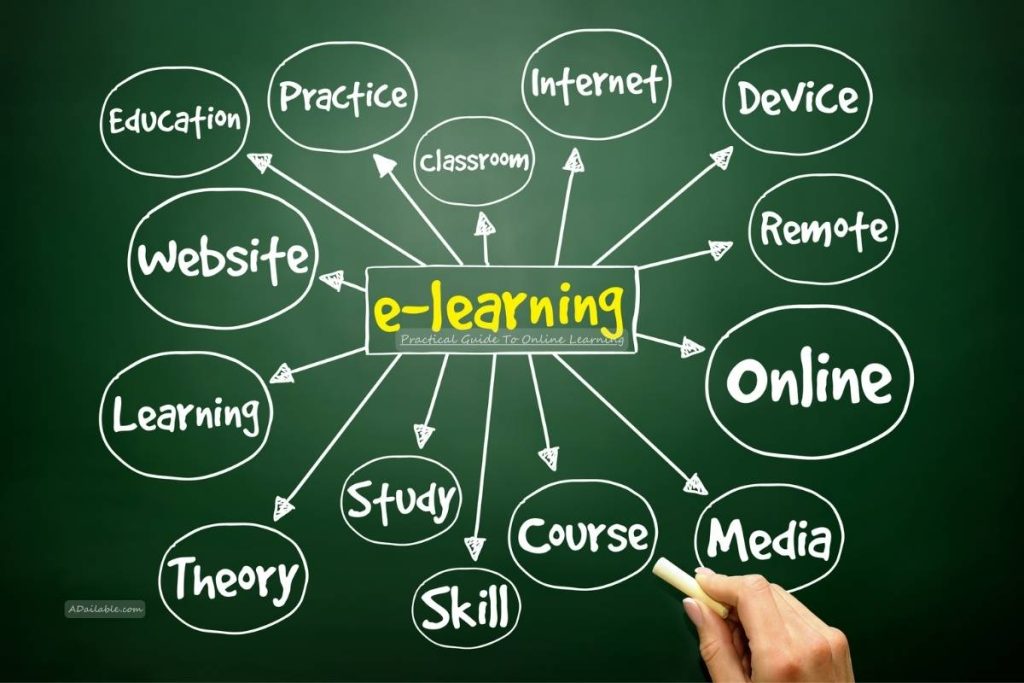
That’s where this practical guide to online learning comes in. Our goal is to provide you with clear, actionable advice and useful tips to help you make smart choices when it comes to your online education. Whether you’re looking to upskill, reskill, or simply expand your knowledge, we’ll cover everything from finding the right course to getting the most out of your learning experience.
👉 “Online learning is also shaped by digital information habits, so readers may find it useful to understand media and public opinion.”
Choosing the Right Online Learning Platform
When selecting an online learning platform, there are several factors to consider. Here are a few key things to keep in mind:
- Reputation: Look for platforms with a good reputation and a track record of delivering high-quality courses.
- Course variety: Choose a platform that offers a range of courses across different subjects and industries.
- Cost: Consider the cost of the course or membership, as well as any additional fees or expenses.
- Support: Look for platforms with good customer support and resources to help you get started.
For example, if you’re looking to develop your digital marketing skills, you might consider a platform that specializes in this area. Some popular options include HubSpot Academy, Google Analytics Academy, and Coursera’s Digital Marketing Specialization.
By considering these factors and doing your research, you can make informed decisions about which online learning platform is right for you. In the next section, we’ll explore some of the most useful resources available to help you get started with your online education.
Choosing the Right Online Learning Platform
When it comes to online learning, selecting the right platform is crucial. You need a platform that offers high-quality courses, flexible scheduling, and effective support systems. Here are some factors to consider when choosing an online learning platform:
- Course quality and relevance: Look for platforms that offer courses in your desired field or niche. Check the course curriculum, instructor expertise, and student reviews to ensure you’re getting high-quality education.
- Scheduling flexibility: Consider platforms that allow you to set your own pace, whether it’s through self-paced learning or live sessions with instructors.
- Support systems: Look for platforms that offer dedicated support teams, online forums, and peer-to-peer learning opportunities to help you stay on track.
- Technical requirements: Ensure the platform is user-friendly, accessible, and compatible with your device and internet connection.
For example, Coursera and edX are popular platforms that offer a wide range of courses from top universities worldwide. Udemy, on the other hand, focuses on self-paced learning with a vast library of courses on various subjects.
Setting Up Your Learning Environment for Success
To get the most out of online learning, it’s essential to set up your learning environment in a way that promotes productivity and focus. Here are some practical tips to help you create an effective learning space:
1. Designate a dedicated learning area: Set aside a specific room or corner of your home for studying and learning. This will help you establish a clear boundary between work and personal life.
2. Minimize distractions: Remove or silence any distractions, such as turning off notifications on your phone or closing social media tabs. Use tools like website blockers to stay focused.
3. Invest in quality equipment: Ensure you have a reliable computer, headset, or webcam that meets the platform’s technical requirements. Consider investing in ergonomic furniture and good lighting for comfort and visibility.
4. Establish a routine: Create a schedule that balances learning with other aspects of your life. Set realistic goals and deadlines to stay on track and avoid burnout.
By setting up your learning environment effectively, you’ll be better equipped to absorb new knowledge, stay motivated, and achieve your online learning goals.
Choosing the Right Online Learning Platform
When it comes to online learning, selecting the right platform is crucial. You need a platform that offers high-quality courses, flexible scheduling, and effective support systems. Here are some factors to consider when choosing an online learning platform:
- Course content and structure**: Look for platforms that offer well-structured courses with clear learning objectives, engaging content, and relevant assessments.
- Interactivity and engagement**: Choose a platform that encourages interaction among learners, instructors, and peers. This can include discussion forums, live sessions, and group projects.
- Technical support and resources**: Ensure the platform offers reliable technical support, accessible learning materials, and adequate resources for skill development.
- Flexibility and mobility**: Opt for a platform that allows you to access courses from anywhere, at any time, using your preferred device.
A good online learning platform should cater to your needs, provide flexibility, and offer a supportive environment. By considering these factors, you can make informed decisions when selecting an online learning platform.
Setting Realistic Goals and Staying Motivated
Setting realistic goals and staying motivated are essential for successful online learning. Here are some tips to help you stay on track:

Set specific, achievable goals for each study session or week. Break down larger goals into smaller, manageable tasks to maintain momentum.
- Track your progress**: Use a learning journal, spreadsheet, or mobile app to monitor your progress and identify areas where you need improvement.
- Find accountability partners**: Connect with fellow learners or join online communities to share experiences, ask questions, and receive support.
- Reward yourself**: Celebrate small victories by treating yourself to something enjoyable or rewarding.
By setting realistic goals and staying motivated, you can overcome obstacles, stay focused, and achieve your learning objectives. Remember, online learning requires discipline, patience, and persistence – but with the right mindset and strategies, you can succeed.
Before You Begin
Before you start your online learning journey, there are a few extra things to consider that will help you make the most of your experience. First, take some time to think about what you want to achieve through online learning. What are your goals? Are you looking to improve your skills, learn a new subject, or enhance your career prospects?
It’s also essential to choose an online learning platform that meets your needs. Research different options and read reviews from other learners to get a sense of the quality of the courses and support available. Make sure the platform is user-friendly and has good technical support in case you encounter any issues.
Additionally, consider creating a dedicated study space that is free from distractions and interruptions. This will help you stay focused and avoid procrastination. Invest in a comfortable chair, a reliable computer or laptop, and any other equipment you may need to complete your courses.
Finally, set aside time each day or week to dedicate to your online learning. Consistency is key when it comes to making progress and achieving your goals. Make sure you have a schedule that works for you and stick to it.
👉 “Online learning can become easier when readers also explore practical Ways To Build New Skills.”
Conclusion
By understanding practical guide to online learning, readers can make better choices and apply the ideas in a simple, practical way.
In conclusion, online learning can be a powerful tool for skill development and education. By taking the time to plan carefully, choosing the right platform, creating a dedicated study space, and setting aside dedicated time, you can make the most of this opportunity. Remember that online learning is just one part of your overall educational journey, and it’s essential to stay motivated and focused on your goals.
With the right mindset and approach, you can achieve success in your online learning endeavors. Don’t be afraid to seek help when you need it, and don’t get discouraged if you encounter any obstacles along the way. With persistence and dedication, you can unlock new opportunities and enhance your skills for smart choices in your personal and professional life.
Readers learning about practical guide to online learning often want clear examples, simple explanations, practical benefits, and safe ways to apply the information.
FAQ
Why is practical guide to online learning useful?
practical guide to online learning is useful because it gives readers a clear starting point and helps them understand the topic step by step.
How can beginners use practical guide to online learning?
Beginners can use practical guide to online learning by starting with simple tips, learning the basic ideas, and applying them gradually.
What are the benefits of online learning?
Online learning offers numerous benefits, including flexibility, accessibility, and affordability. With online courses, you can learn from anywhere in the world at any time, making it an ideal option for those with busy schedules or living in remote areas.
How do I choose a reputable online course provider?
When selecting an online course provider, research their reputation and reviews. Look for providers that offer high-quality courses, flexible payment plans, and good customer support. You can also check if they are accredited by recognized institutions or organizations.
Can I earn credits or degrees through online learning?
Yes, many online course providers offer credits or degrees that are recognized by accrediting agencies. However, it’s essential to verify the credentials of the institution and the courses you’re taking to ensure they meet your academic needs.
How do I stay motivated while studying online?
Staying motivated while studying online requires discipline and self-motivation. Set clear goals for yourself, create a study schedule, and track your progress regularly. You can also join online communities or forums to connect with other learners and stay accountable.
Are online learning resources reliable?
Many online learning resources are reliable and trustworthy, but it’s crucial to evaluate the credibility of the sources you use. Look for peer-reviewed articles, academic journals, and reputable websites that provide accurate information on your chosen topic.
Can I get support from instructors or peers while studying online?
Yes, many online course providers offer instructor support, online forums, or discussion groups where you can connect with peers and instructors. These resources can help you stay on track, ask questions, and receive feedback on your work.
How do I know if an online course is right for me?
To determine if an online course is right for you, consider your learning style, goals, and schedule. Think about whether the course aligns with your interests and career aspirations. You can also read reviews, watch videos, or attend webinars to get a better sense of what the course offers.
What are some useful resources for online learners?
Some useful resources for online learners include educational apps, online communities, and skill development platforms. These resources can provide additional support, guidance, and motivation as you continue your learning journey.